
Deep Fish Hunter gives players a fish shooting table built around timing, target choice, and steady rounds. The game suits members who prefer direct action instead of long menus or complex side rules. This article is written for new and returning players at JILIGG, helping them understand play steps, table features, and practical aims.
Deep Fish Hunter fundamentals for new ocean players
The screen usually shows fish crossing in different paths, sizes, and values. Players fire at chosen targets, then wait for the round to count hits and rewards. This simple cycle makes each session easy to follow without heavy reading.
A table may feel fast, yet JILIGG keeps the core actions clear for members. Each shot uses a selected bullet value, often shown in PHP or USD. Players should read the screen before shooting, because moving targets rarely stay open long.
The main appeal comes from short decisions that happen every few seconds. Deep Fish Hunter rewards focus on movement, spacing, and clear target choice. It works best when players treat every shot as part of one active round.
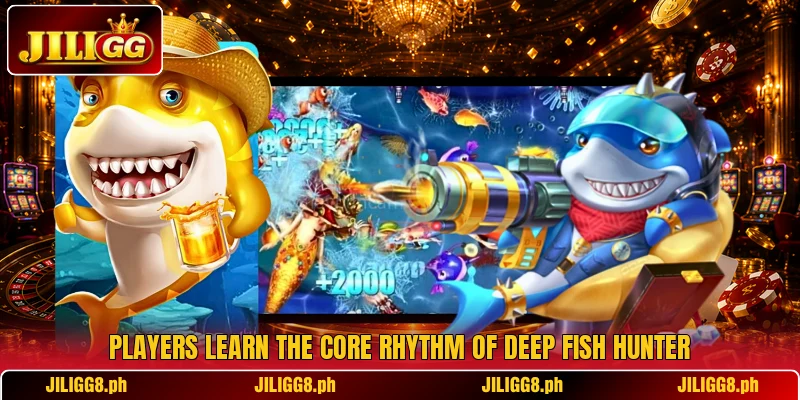
How the underwater table operates during each round
Each round moves through aiming, firing, hit checking, and reward counting. The table remains simple, but small details shape every shot.
Round flow and firing pace
A normal round begins when fish enter from one side of the screen. Players choose a cannon value, aim toward a target, then release shots. The table checks hits quickly, so the next choice comes almost immediately.
Firing pace matters because targets can overlap or leave the screen. Fast shots may catch weak fish, while slower shots may follow larger ones. The table feels smoother when players match pace with visible movement.
Some rounds include crowded waves that make aiming less direct. Players should watch the lane where fish travel with fewer blockers. Clean lanes usually give better sight, especially during busy screen moments.
Target figures and screen movement
Fish often carry different values based on size, speed, or special type. Small targets may fall faster, while larger ones may need more hits. Players should compare movement and value before choosing a target.
Screen movement changes the real chance of landing repeated shots. A high value fish can be poor when it exits too soon. Deep Fish Hunter becomes clearer when players avoid chasing targets already leaving.
Groups can also create useful openings when fish move in similar paths. A shot aimed through a group may connect with several bodies. That approach still needs care, because bullet cost continues after each tap.
Bullet choices and shot value
Bullet value decides how much each shot costs on the table. Lower values may suit small fish, while higher values may fit stronger targets. Players can switch values when the screen changes noticeably.
A cannon change should have a reason, not only a guess. Bigger bullets may drain PHP or USD balance faster during empty lanes. Deep Fish Hunter plays cleaner when bullet size follows target strength.
Shot value here means reading the game screen before pressing again. It is not about waiting forever or avoiding normal action. Members can keep rounds clearer by linking every shot to a visible target.
View more: Neon Ocean Shooter – Bright Underwater Shooting Adventures
Deep Fish Hunter selection selection
Target selection starts with position, because center fish stay available longer. A target near the edge may leave before enough shots land. Players should favor fish with open paths and steady movement.
Special fish may look tempting, especially when values appear higher. The better choice still depends on distance, blockers, and current bullet value. Players should avoid switching targets every second during one clear chance.
Consistent target selection keeps the round easier to read. It also helps players notice which paths are producing more hits. Deep Fish Hunter rewards patient aim more than random screen tapping.
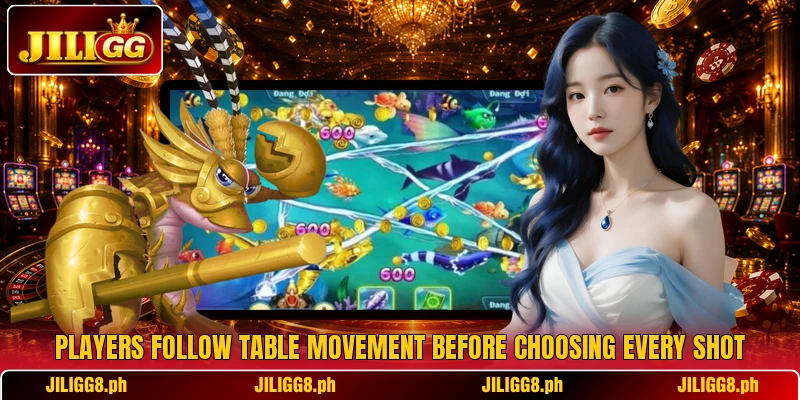
Practical ways to approaches with clearer choices
Good play comes from reading what the table shows right now. These habits focus on cleaner decisions, not broad advice outside the game.
Read fish schools before shooting
Fish groups can hide strong targets behind weaker bodies. Players should wait for small gaps when a chosen fish becomes clearer. This helps shots travel toward the intended target with less waste.
A group moving toward the center can be easier than one leaving. Center movement gives players more time to correct their aim. Deep Fish Hunter often feels fairer when players follow these longer lanes.
Crowded screens may also show repeated paths after several seconds. Members can study those paths before increasing bullet value. A short pause for reading can improve timing without stopping the session.
Switch guns with clear reasons
Cannon switching works best when the target type changes. A low setting may fit small fish passing in steady groups. A higher setting can make sense when a large fish stays centered.
Players should not raise the cannon only because a round feels slow. Slow moments may simply mean fish are blocked or leaving too quickly. Deep Fish Hunter rewards changes tied to target position and value.
Switching down is also useful when the screen fills with small fish. Lower shots can keep the round active without using high value shots. This creates cleaner play during waves with many low value targets.
Use rewards only during activity
Some tables include bonus tools, special shots, or short boost moments. Players should use them when fish are active and visible. Empty lanes make any bonus feel weaker, even when the tool looks strong.
A bonus can be better when several targets cross the same area. Players should aim before using it, not after the screen becomes crowded. Deep Fish Hunter makes bonuses easier to judge when movement is watched first.
Members should also check whether a bonus uses PHP or USD balance. Clear cost information helps players understand each action before pressing. The best bonus moments happen when timing, target value, and screen space align.
View more Category: Fish
Conclusion
Deep Fish Hunter works best when players read movement, select targets carefully, and keep each shot connected to the screen. The game stays easy to follow when members focus on table signals instead of random tapping. Register, download the app, and try the fish table at JILIGG with steady choices and good luck.